Botany Bay oven cleaning mistakes to avoid for landlords
If you manage a rental property in Botany Bay, oven cleaning can look like a small job right up until it becomes a tenancy dispute, a poor inspection note, or a last-minute scramble before new tenants move in. The truth is, Botany Bay oven cleaning mistakes to avoid for landlords are usually simple things: using the wrong product, leaving baked-on grease too late, or assuming a quick wipe is "good enough". Those little missteps can cost time, money, and goodwill.
This guide breaks down what landlords actually need to know, from practical cleaning standards to common errors, useful methods, and the kind of checks that help you protect the property without overdoing it. If you've ever stared at a greasy oven shelf at 7pm on a turnover day and thought, "right, this could have been handled earlier," you're in the right place.
Why Botany Bay oven cleaning mistakes to avoid for landlords Matters
For landlords, oven condition is rarely just about appearances. It affects how professionally a property presents at viewings, whether a tenancy ends smoothly, and whether the next occupants start with a clean, usable kitchen. A neglected oven can also create lingering smells, smoke when heated, and a general impression that the property has not been properly looked after.
In Botany Bay, where many landlords are balancing quick turnarounds, varying tenant expectations, and the usual wear-and-tear that comes with busy households, a badly cleaned oven can become one of those awkward small problems that feels bigger than it should. Let's face it, no one wants to argue about burnt-on grease when the real goal is getting keys handed over on time.
There is also a commercial side to this. A thorough oven clean can support better property presentation and reduce the chance of avoidable complaints. It can make the rest of the kitchen feel fresher too, especially if the oven is the main source of stubborn odour or residue. That smell of old fat and half-cleaned trays? You notice it straight away, especially on a damp London morning.
Expert summary: The biggest oven cleaning risks for landlords are not just dirt left behind. They are rushed decisions, poor timing, unsafe products, and weak inspection standards that create avoidable friction at the end of a tenancy.
How Botany Bay oven cleaning mistakes to avoid for landlords Works
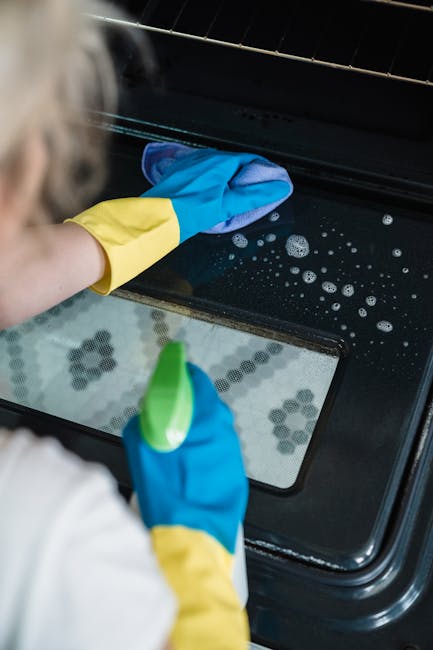
A sensible landlord oven cleaning process is straightforward: inspect, prepare, clean, rinse, dry, and re-check. The mistake many people make is jumping straight to scrubbing without understanding the oven type, the level of grease buildup, or whether certain parts should be removed first. Different ovens, grills, trays, and fan systems need slightly different handling.
In practical terms, a landlord should think in terms of safe restoration rather than aggressive cleaning. That means removing loose debris, tackling grease in stages, and avoiding anything that could damage enamel, seals, glass, or heating elements. It also means knowing when the oven has crossed the line from "needs a decent clean" to "needs professional attention".
A real-world example: a tenant moves out, the oven looks okay at first glance, but once it heats up it starts smoking because fat has built up behind the lining. That is the kind of issue a rushed surface clean will miss. The oven may look passable in daylight and still fail the sniff test once it is in use. Not ideal, obviously.
For landlords, the process works best when it is built into the wider property turnover routine. Oven cleaning should not be treated as a last-minute rescue mission. It should sit alongside kitchen wipe-downs, appliance checks, and any related cleaning tasks such as tray degreasing or extractor upkeep.
Key Benefits and Practical Advantages
When oven cleaning is handled properly, the benefits are wider than most people expect. You get a cleaner handover, fewer complaints, and a kitchen that feels genuinely ready for use rather than vaguely "done". That matters in a rental property where first impressions carry weight.
- Better property presentation: A clean oven lifts the whole kitchen, even if the rest of the room is modest.
- Reduced dispute risk: Clear standards make it easier to justify end-of-tenancy expectations.
- Less lingering odour: Grease and burnt-on residue can create smells that hang around.
- Safer operation: Built-up grease can smoke or create unpleasant cooking conditions.
- Lower chance of damage: Gentle, correct cleaning protects internal finishes and seals.
There is also a time-saving upside. A properly maintained oven is simply easier to clean next time. A light regular clean beats a heroic two-hour scrub every single time. That is one of those boring truths landlords learn the hard way.
If your rental portfolio includes more than one property, consistency becomes even more valuable. A standard approach makes inspections simpler and helps you avoid "it looked fine in one flat, so we assumed it was fine in the other" moments. Small thing. Big difference.
Who This Is For and When It Makes Sense
This guide is for landlords, letting agents, property managers, and anyone responsible for preparing a rental property in Botany Bay between tenancies. It is especially useful if you manage furnished or part-furnished homes, where the oven is expected to be in ready-to-use condition at handover.
It also makes sense if you are dealing with:
- end-of-tenancy preparation
- mid-tenancy maintenance after heavy kitchen use
- pre-let refreshes before marketing a property
- older ovens with visible grease build-up
- situations where a tenant has asked whether cleaning is included in the handover standard
Sometimes the question is not whether the oven needs cleaning; it is whether the oven needs careful cleaning. A property with an older enamel oven, for instance, may need a gentler approach than a newer stainless steel model. If the appliance has been neglected for months, a quick wipe and a hopeful glance will not cut it. Not even close.
For landlords who already use broader cleaning services, oven care often sits neatly alongside other specialist tasks. If you are reviewing property prep alongside carpet, upholstery, or other household cleaning work, it may help to look at related services such as commercial carpet cleaning and stain removal where they support a full turnover clean.
Step-by-Step Guidance
If you want fewer oven cleaning mistakes, the simplest fix is a more methodical process. Nothing flashy. Just a proper sequence and a bit of patience. Here is a landlord-friendly way to approach it.
- Inspect the oven first. Check the interior, trays, shelves, door glass, seals, knobs, and around the edges. Look for grease spots, food residue, scorch marks, and damage.
- Switch off and cool fully. Never rush this. Warm metal and cleaning chemicals are a bad combination, and even experienced people get caught out when they're in a hurry.
- Remove racks and trays. Clean these separately so you can reach the hidden grease inside the main cavity.
- Loosen debris before scrubbing. Use a soft brush or cloth to remove loose crumbs and dried residue first.
- Apply the right cleaner carefully. Follow the product guidance and avoid soaking seals, fan openings, and electrics.
- Work in stages. Let the cleaner lift grease before wiping, rather than attacking everything with one frantic scrub.
- Rinse and dry thoroughly. Leftover product can smell when heated. That faint chemical note is not what you want for new tenants.
- Check from different angles. Open the door, look at the corners, and inspect the glass in brighter light if possible.
One practical tip: if the oven is in a property with limited natural light, do the final inspection with a torch or phone light. You will spot streaks and residue much faster. A lot faster, actually.
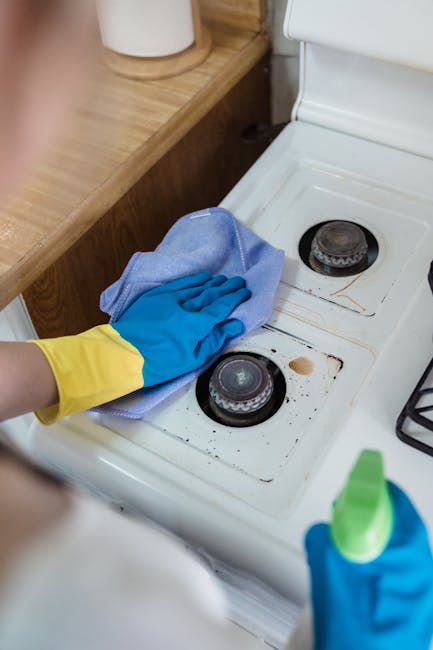
And do not forget the external touches. The oven handle, control panel, and surrounding cabinet faces often betray the fact that the real mess was only half dealt with.
Expert Tips for Better Results
Experienced landlords and cleaners tend to focus on prevention as much as cleaning. That is where the better results come from. You do not need to overcomplicate it, but a few habits make a noticeable difference.
- Clean sooner rather than later. Fresh grease is much easier to remove than old, baked-on residue.
- Use non-abrasive tools where possible. Scratched enamel is a problem you cannot clean away later.
- Treat the oven door as part of the job. Smudged glass makes the whole appliance look unfinished.
- Check ventilation and extractor areas nearby. Grease does not always stay where you expect it.
- Document the condition. A before-and-after photo can be useful for property records, especially in managed lets.
If you are managing several properties, it helps to create a simple standard. Nothing elaborate. Just a short checklist of what "acceptable oven condition" looks like in your hands. This avoids the classic problem where one property gets a deep clean and another gets a polite wipe-down and a prayer.
There is a judgement call here too. Not every oven needs a full restoration clean every time. Some just need a careful refresh. The key is to match the effort to the condition, not to your mood at the end of a long day.
For broader property upkeep, many landlords pair oven maintenance with regular kitchen care. If that is part of your rotation, you may also find useful ideas in resources like a structured house-cleaning routine and guidance on avoiding hidden cleaning charges.
Common Mistakes to Avoid
This is the part most landlords come for, because the mistakes are usually where the pain is. And yes, some of them are maddeningly simple.
| Mistake | Why it causes problems | Better approach |
|---|---|---|
| Using harsh abrasive pads on enamel | Can scratch finishes and leave the oven looking worn | Use soft cloths, gentle pads, and product guidance |
| Cleaning only visible surfaces | Leaves hidden grease that smokes or smells later | Check shelves, corners, seals, door glass, and removable parts |
| Using too much liquid cleaner | Can seep into sensitive areas and make rinsing harder | Apply sparingly and follow a staged cleaning process |
| Leaving the job until the last day | Creates rushed decisions and missed spots | Build oven cleaning into the turnover plan early |
| Ignoring oven glass and seals | Makes the appliance look poorly maintained even if the cavity is clean | Inspect all visible parts, not just the inside tray area |
| Forgetting to dry properly | Leaves streaks, odour, or residue that shows up on first heat | Wipe dry and air out the oven before use |
One of the biggest mistakes is assuming that "professional-looking" and "actually clean" mean the same thing. They do not. An oven can shine from the outside and still release smoke the moment somebody roasts potatoes. That is a fun surprise for nobody.
Another common issue is overconfidence with strong products. More product does not always mean better results. Sometimes it just means extra residue, extra wiping, and extra risk. Bit of a trap, that one.
If a property has ongoing odour problems or the kitchen feels generally stale, you may also want to look beyond the oven itself. Supporting services such as damp smell removal ideas and pet odour control guidance can help you understand broader causes of bad kitchen air.
Tools, Resources and Recommendations
You do not need a shed full of specialist equipment to clean an oven properly, but the right basics make the job much smoother.
- Microfibre cloths: Good for lifting residue without leaving too much lint behind.
- Soft non-scratch pads: Helpful for baked-on areas without damaging surfaces.
- Warm water and mild detergent: Still useful for lots of everyday grime.
- Protective gloves: Common sense, really, especially with stronger cleaners.
- Old towels or floor coverings: Handy to protect the kitchen floor during cleaning.
- Small brush or detail tool: Useful around edges, rails, and awkward corners.
For landlords, a good resource is a repeatable cleaning standard rather than a one-off solution. If you manage multiple rentals, keep a simple record of what products work well on the ovens you use most often. Different finishes and appliance ages respond differently, and what worked beautifully in one flat may be overkill in another.
It can also help to align oven cleaning with wider cleaning and maintenance planning. For example, if a property turnover includes soft furnishing refreshes, related service pages such as sofa cleaning, upholstery cleaning, and steam carpet cleaning may support a more consistent overall result.
If you are weighing up whether to handle the job in-house or bring in help, pricing transparency matters too. A clear quote structure, like the one described on pricing and quotes, is often what landlords want before they commit. No one enjoys a surprise bill. Not at all.
Law, Compliance, Standards, or Best Practice
Oven cleaning is not usually about a single dramatic legal rule. It is more about meeting reasonable property standards, behaving fairly at tenancy end, and keeping the property safe and presentable. In practice, landlords should pay attention to the tenancy agreement, inventory records, and any agreed cleaning expectations.
Best practice in the UK generally means you should not overstate what was cleaned, should not ignore obvious safety issues, and should keep a fair record of the appliance condition before and after tenancy changes. If a property has specialist appliances or older fittings, it is wise to use caution rather than aggressive cleaning. That is especially true around electrical components, seals, and fan elements.
Health and safety also matters. If cleaning products are used badly, you can create slip risks, fumes, or surface damage. A straightforward approach supported by sensible handling is usually enough. For organisations or landlords who want to see how a business thinks about safety and risk more broadly, the site's health and safety policy and insurance and safety information may be useful background reading.
It is also sensible to keep records when you rely on cleaning as part of a handover process. Photos, dated notes, and inventory comments can help prevent awkward back-and-forth later. Fairness matters here. So does proof.
Options, Methods, or Comparison Table
Landlords usually choose between three broad approaches: do it yourself, use general cleaning support, or use a more specialist service. Each option has its place.
| Method | Best for | Pros | Watch out for |
|---|---|---|---|
| DIY cleaning | Light to moderate dirt, quick touch-ups | Low cost, flexible timing, immediate action | Risk of missed areas, damage, or rushed results |
| General cleaning support | Routine turnover cleans with broader tasks | Efficient, convenient, good for whole-property refreshes | May not fully tackle heavy oven build-up |
| Specialist cleaning approach | Deep grease, stubborn odour, older appliances | More thorough, better for tricky cases, less stress | May cost more and require scheduling ahead |
In real life, the right choice depends on the state of the oven, the time available, and the standard you promised in the tenancy paperwork. If the oven is lightly used and the turnover window is tight, DIY may be enough. If it is caked in residue from several years of family cooking, you will probably want a more robust solution.
The main thing is not to pretend a quick fix is a deep clean. We have all seen that kind of optimism before. It usually lasts about five minutes.
Case Study or Real-World Example
A Botany Bay landlord managing a two-bed rental near the coast had a familiar problem: the oven looked presentable from the front, but the trays were sticky and the interior gave off a burnt smell after heating. The tenancy had ended on a Friday, and the new move-in was booked for Monday morning. Tight timing. Very tight.
The first instinct was to wipe the glass, clean the shelves, and hope that was enough. But a proper inspection showed grease around the door edges, residue beneath the bottom tray, and a stubborn patch near the fan area. Rather than using a harsh pad straight away, the cleaner removed the racks, loosened debris, worked in stages, and checked again in brighter light.
The result was not glamorous, but it was effective. The oven no longer smoked, the kitchen smell improved, and the handover note could honestly record the appliance as clean and ready for use. That is the kind of win landlords like. Quiet. Clean. No drama.
What mattered most was not brute force. It was noticing the hidden areas early and not pretending a surface wipe solved everything. That is where oven cleaning mistakes usually start.
Practical Checklist
Use this simple checklist before you hand over a rental property or sign off an internal inspection. It is basic, but that is exactly why it works.
- Oven switched off and cooled before cleaning
- Racks, trays, and removable parts cleaned separately
- Visible grease removed from interior surfaces
- Door glass cleaned on both sides where accessible
- Seals and edges checked carefully
- No strong chemical smell left behind
- Control knobs and exterior wiped down
- Floor area and nearby cupboards cleaned
- Oven inspected in good light after cleaning
- Before-and-after photos saved if needed for records
For landlords, the checklist is more than admin. It is a small buffer against awkward surprises. And those surprises always seem to appear when you are already doing three other jobs at once.
If you want the whole property to feel consistent at turnover, a broader housekeeping approach can help. A useful mindset is to treat the oven as one part of a complete reset, not an isolated task.
Conclusion
Botany Bay oven cleaning mistakes to avoid for landlords come down to a few practical habits: do not rush, do not use the wrong products, do not skip hidden areas, and do not leave the job until the last minute. If you stay methodical, keep records, and match the cleaning method to the actual condition of the oven, you will avoid most of the common problems that cause stress at tenancy changeover.
The best approach is usually the least dramatic one. Inspect carefully, clean steadily, and check again before you call it done. It saves time in the long run, and honestly, it makes your life easier too.
If you are planning a property turnover in Botany Bay and want a cleaner, more reliable handover, it makes sense to get the oven and the wider kitchen sorted together rather than chasing fixes one by one.
Get a free quote today and see how much you can save.
And if there is one final takeaway, it is this: a well-cleaned oven quietly supports a calmer tenancy. Not flashy, just solid. That counts for a lot.
Frequently Asked Questions
What are the most common oven cleaning mistakes landlords make?
The most common mistakes are rushing the job, using harsh abrasives, forgetting the door glass and seals, and leaving grease in hidden corners. Another classic error is assuming the oven is clean because it looks fine from the outside.
How often should a landlord clean an oven in a rental property?
There is no one-size-fits-all rule, but ovens should be cleaned regularly enough that grease does not build up to the point of smoke, odour, or obvious residue. For many rentals, that means checking the oven at the end of each tenancy and maintaining it during longer lets if needed.
Can I clean a rental oven myself, or should I hire someone?
You can clean it yourself if the oven is in reasonable condition and you are comfortable doing the work safely. If the oven is heavily soiled, older, or showing signs of damage, professional help may be the better option. Sometimes the smart move is just to hand it over.
Why does my oven still smell after cleaning?
That usually means some grease, cleaner residue, or hidden debris is still present. Check around seals, fan areas, racks, and under removable parts. If the smell appears when the oven heats up, there may be residue deeper in the appliance.
What should landlords check besides the oven cavity?
Check the glass door, handle, control knobs, seals, trays, shelves, and the area around the appliance. It is also sensible to inspect nearby cabinets and the floor, because grease often spreads more than people realise.
Is it safe to use strong oven cleaners on older appliances?
Not always. Older ovens can have worn seals, delicate finishes, or surfaces that react badly to harsh chemicals. A gentler approach is usually safer, especially if you are not sure how the appliance will respond.
How do I prove the oven was clean at the end of a tenancy?
Good inventory records, dated photos, and a clear checklist help a lot. If you are managing a deposit or handover conversation, straightforward documentation is often more useful than memory alone.
What if the tenant left the oven in poor condition?
Start with a fair assessment and document the condition before cleaning. If the oven is badly neglected, you may need more than a quick refresh. Keep the process reasonable and record the difference between ordinary wear and avoidable grime.
Do I need different methods for fan ovens and conventional ovens?
Yes, sometimes. Fan ovens can have areas where grease builds up around vents and internal circulation points. Conventional ovens may have different hot spots and more exposed surfaces. In both cases, avoid forcing liquid into areas that should stay dry.
What is the safest way to avoid scratching the oven interior?
Use soft cloths, non-abrasive pads, and patient cleaning rather than aggressive scraping. If something will not shift easily, let the product work first instead of pressing harder. Scratches are one of those mistakes that keep showing up long after the cleaning is finished.
Should landlords clean ovens before every new tenant move-in?
Yes, that is generally a sensible standard. Even if the previous tenant left the property tidy, the oven should still be checked and cleaned as needed before the next occupant arrives. It helps the handover feel proper and avoids first-day complaints.
Where does oven cleaning fit into a broader property turnover plan?
It fits alongside kitchen wipe-downs, bathroom checks, carpet care, and final inspection work. When you treat it as part of a wider reset, the property usually presents better and feels more move-in ready. That little bit of coordination goes a long way.